
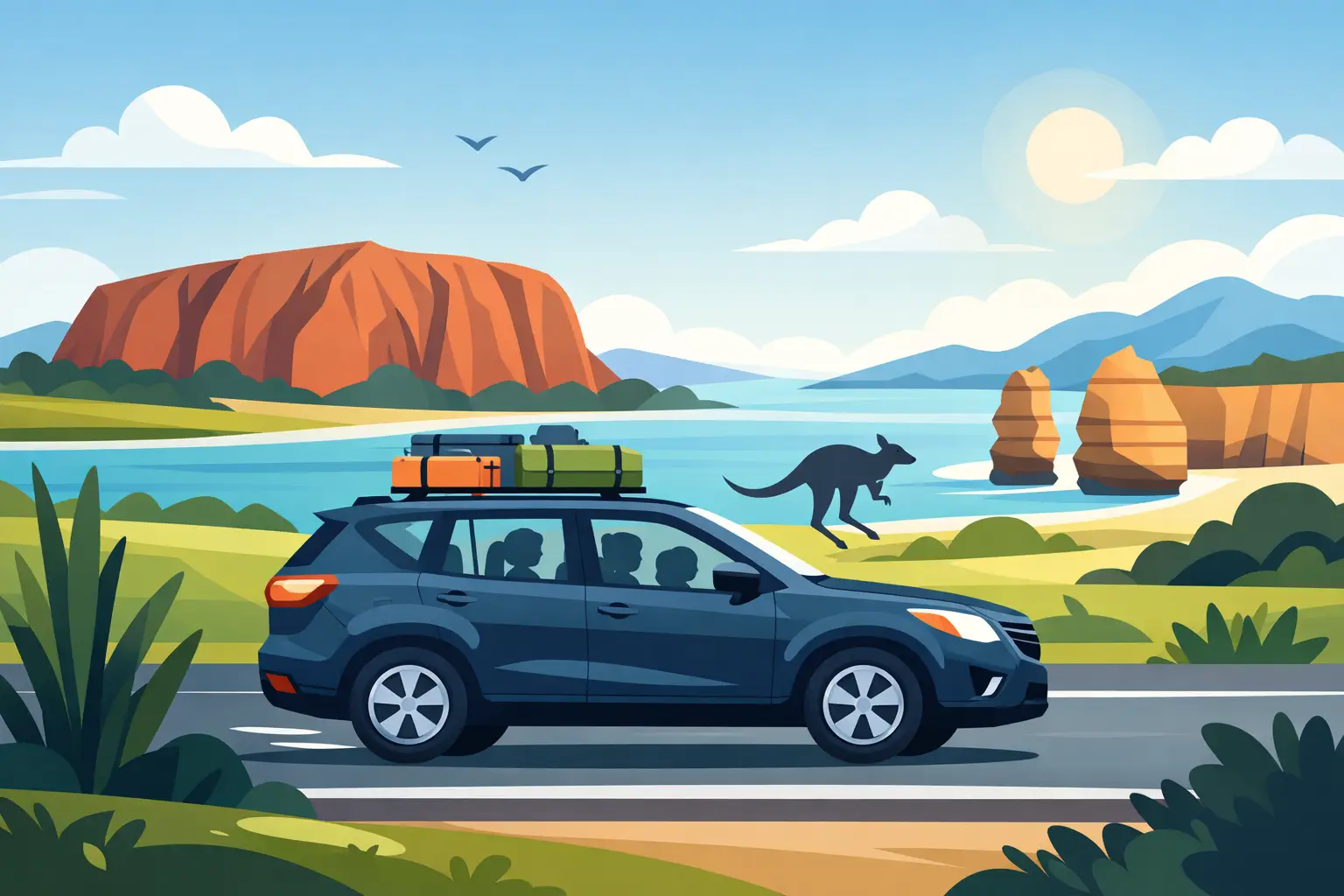
Best Car for Family Road Trips in Australia
A family road trip can go from exciting to exhausting before you reach the freeway if everyone is squeezed in, the boot is packed to the roof, or the kids cannot get comfortable. The best car for family road trips is not always the biggest or most expensive option. It is the one that suits your passenger numbers, luggage, driving distance and budget - leaving you free to enjoy the journey.
For a weekend down the coast, a comfortable sedan may be all you need. For a school-holiday drive with prams, booster seats and enough snacks to feed a small army, an SUV can make life much easier. Here is how to choose a car that gives your family room to Explore. Experience. Enjoy.
What Makes the Best Car for Family Road Trips?
A good family road-trip car does four things well: it fits everyone safely, carries what you need, stays comfortable over long kilometres and feels manageable to drive. The right choice will look different for two adults and one child than it will for a family of five heading from Melbourne to the Great Ocean Road or interstate.
Start with the practical stuff. Think about how many seats you need, whether you are travelling with a baby or young children, and how much luggage is coming along. A car can technically seat five people, but it may not feel like a great choice when three passengers are competing for shoulder room after several hours on the road.
Comfort matters just as much as size. Supportive seats, sensible air conditioning, easy access to charging and a quiet ride can make a noticeable difference when the trip stretches beyond a quick day drive. Fuel use matters too, especially if you are planning a longer escape and want to keep more of your budget for meals, activities and accommodation.
Match the Vehicle to Your Family, Not the Brochure
The easiest way to choose is to picture the car fully loaded on departure morning. Include every passenger, every bag, the pram, sports gear, a portable cot and the all-important snack bag. If you are already wondering where something will go, move up a vehicle category.
Compact cars: best for light-packers and short breaks
An economical compact such as a Suzuki Swift, Nissan Micra, Toyota Yaris or Suzuki Alto can be a smart option for a couple travelling with one older child, or for a short weekend away with very light luggage. They are easy to park around Melbourne, straightforward to drive and generally kind on fuel.
The trade-off is boot space. Compact cars are less suitable when you need multiple child seats, a pram or several large suitcases. They can still be a great value choice for a day trip, but do not expect them to carry a family holiday’s worth of gear without careful packing.
Sedans: a comfortable middle ground
For many families, a sedan is the sweet spot. Vehicles such as the Toyota Corolla, Honda Civic, Toyota Camry, Honda Accord and Mazda 3 usually offer more rear-seat comfort and a larger boot than a compact, without feeling oversized or costly to run.
A sedan suits a family of three or four heading away for a few days, particularly when the luggage is mostly soft bags rather than bulky equipment. The lower ride height can also make loading easier for some travellers. On the other hand, a sedan boot may be less flexible than an SUV cargo area when you are packing a pram, travel cot or oddly shaped gear.
SUVs: extra space for bigger plans
An SUV such as a Nissan Dualis or Nissan Qashqai is often the better fit for families needing more passenger space and a more usable cargo area. The higher seating position can make longer drives feel more relaxed, and getting children into their seats may be easier than in a lower car.
An SUV is worth considering for a longer holiday, a family travelling with younger children or anyone carrying more than basic luggage. You may pay more than you would for a compact, and fuel use can be higher, but the extra breathing room often pays off in happier passengers. It is a practical upgrade when comfort is part of the plan.
Check Child Seats and Rear-Seat Space Before You Book
If children are travelling with you, their seats should shape your decision early. Rear-facing and forward-facing child seats take up more room than many drivers expect, particularly behind the front passenger seat. Two child seats may fit well in one vehicle and make another feel cramped, even when both are listed as five-seat cars.
When booking, confirm the child-seat option you need and allow enough time to fit and check it properly before departure. You should also consider who will sit between the child seats, whether an adult needs to reach the back easily and how often you expect to stop.
For babies and toddlers, boot space becomes especially valuable. Prams, nappy bags, blankets and travel cots add up quickly. An SUV may save you from playing luggage Tetris at every stop, while a sedan can work well if you pack thoughtfully and travel light.
Think Beyond the Car: Kilometres, Fuel and Cover
The vehicle is only one part of choosing well. A road-trip rental should also fit the distance you plan to travel. Map out a realistic route, including detours to beaches, wineries, lookouts and regional towns. It is easy to underestimate kilometres when every interesting turn-off becomes part of the adventure.
Check the kilometres included in your rental package and ask about pre-booking additional kilometres if you are travelling further afield. Organising this before you leave can be simpler and more affordable than discovering you have exceeded the allowance after your trip.
Take a moment to understand the bond, insurance excess and fuel requirements too. Clear details make it easier to budget properly and avoid surprises. Before setting off, inspect the vehicle with care, make sure any existing marks are noted and keep your rental paperwork handy on your mobile.
A hybrid option can also be worth considering if fuel efficiency is high on your list. The Lexus HS250h, for example, offers a more premium driving feel while helping reduce fuel use on longer drives. It may suit families who want extra comfort for a special occasion or an extended trip, although it is not automatically the best value choice for every budget.
Choose Comfort for the Longest Day, Not the Shortest Drive
A car can feel perfectly fine on a 20-minute test drive and become uncomfortable by hour three. When comparing options, think about your longest planned day behind the wheel. Will someone need to nap in the back? Are you driving through warm weather? Do you need plenty of room for a cooler, jackets and entertainment for the kids?
Build in small comforts as well. Pack water where passengers can reach it, keep wipes and rubbish bags close by, and put the first-stop snacks within easy reach rather than buried in the boot. A few simple choices can make the car feel calmer from the first kilometre.
If you are unsure between two vehicle sizes, the larger option is usually worthwhile when the gap in price is reasonable and the trip is long. No family remembers a road trip fondly because they managed to squeeze in one more bag. They remember the beach stop, the roadside bakery and arriving with enough energy left to enjoy the destination.
Make Booking the Easy Part
Before confirming a hire car, compare the daily price with the overall package. Look at the bond, insurance excess, included kilometres, fuel conditions and available extras, rather than focusing on one headline figure. That gives you a more accurate picture of what works for your family and your trip.
Deals on Wheels makes it simple to choose a vehicle around the way you actually travel, whether that is an economical city car for a short escape, a roomy sedan for a family break or an SUV for a longer drive with plenty of gear. Booking online ahead of time also gives you more chance to choose the category that suits you, rather than settling for what is left on the day.
The best family road-trip car is the one that gives everyone a comfortable seat, leaves room for the essentials and lets you turn the key with confidence. Pick the car that fits your real plans, pack the snacks, queue up the playlist and start your adventure.


Comments